ORIGINS
Benjang Gelut
Benjang is a traditional Sundanese martial and performance art originating in Ujungberung, Bandung, whose identity has always been shaped by a close relationship between physical contest, music, spirituality, and community life. From its earliest formation, Benjang was never merely a fighting system; it was a social practice designed to cultivate character, harmony, and shared celebration.
Benjang’s roots can be traced to the mid-19th century, a period when indigenous martial arts in the Dutch East Indies were heavily restricted. Because open martial training was often prohibited, Sundanese communities preserved their combative knowledge through religious and cultural channels. Martial practice was embedded in mosque life, pesantren training, and ritual arts, where physical discipline was inseparable from moral education.
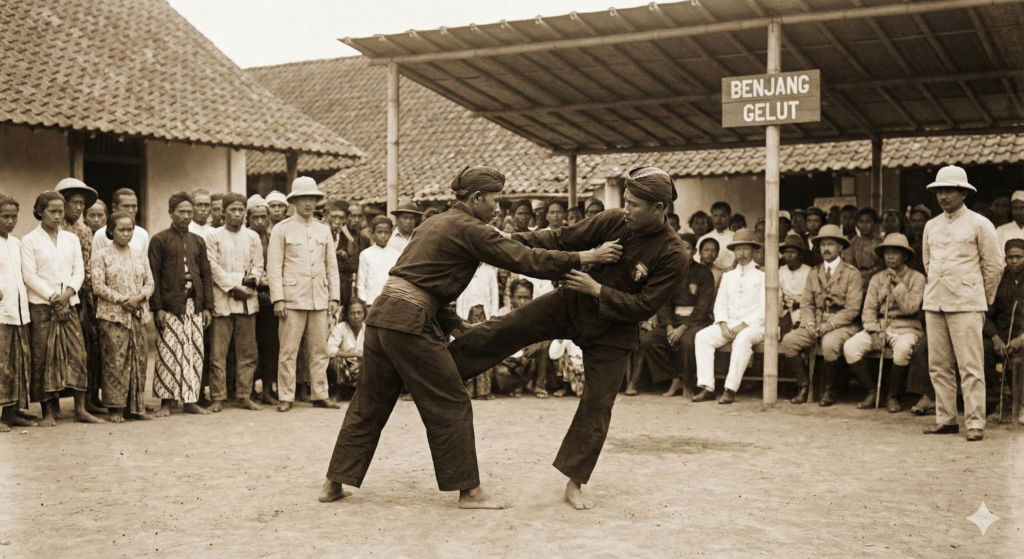
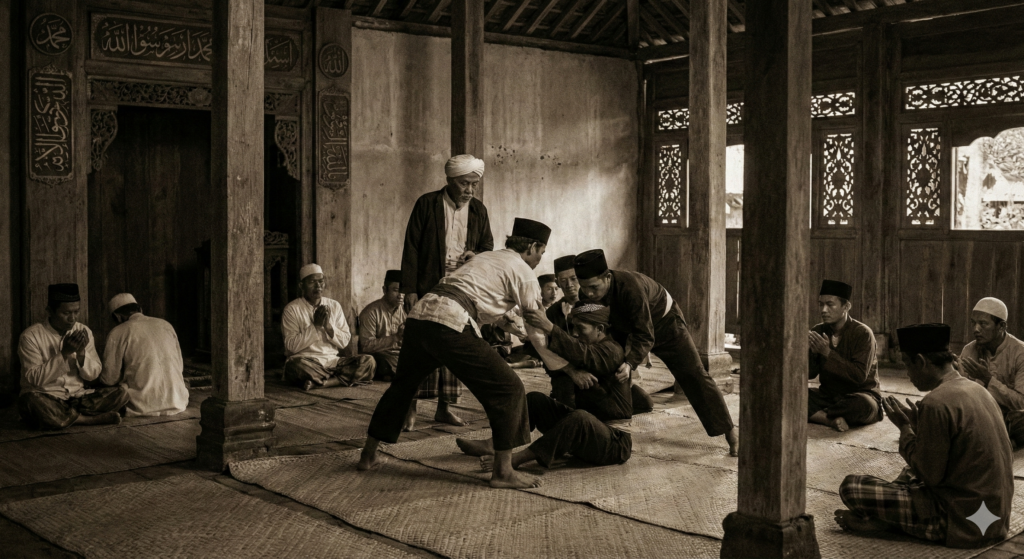
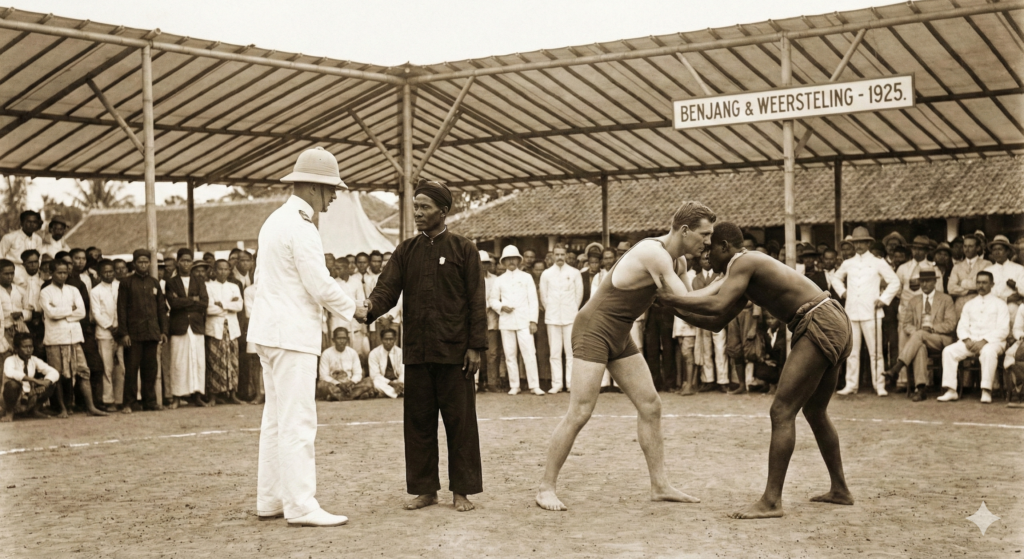
This context gave Benjang its defining ethical foundation, expressed in the Sundanese maxim: “meunang ngabogaan opponent, tapi teu meunang ngabogaan enemy”—one may have an opponent, but must never create an enemy. From the outset, conflict was framed as controlled encounter, not personal hostility.
Benjang evolved from earlier ritual-musical forms such as Rudat and Terbangan, which combined drumming, chanting, trance, and movement. From these emerged physical contests like Ujungan, Seredan, and pushing or body-friction games, often held during harvest celebrations or religious festivals. These practices gradually shifted from agricultural fields to village courtyards, marking Benjang’s transformation into a community-centred art. Music remained central: rhythmic drumming did not merely accompany movement but shaped mood, concentration, and collective energy.
DEVELOPMENT
By the late 19th and early 20th centuries, these practices crystallized into Benjang Gelut—a form of traditional wrestling that emphasized balance, leverage, and bodily awareness rather than striking. The goal was not to injure an opponent, but to control and master them. Mastery was understood broadly: physical strength mattered, but so did the ability to read an opponent’s temperament, habits, and psychological responses before, during, and after a match. Experienced fighters were valued not for brutality, but for calmness, timing, and restraint.
Colonial-era exposure to Western wrestling (weersteling) in the 1920s influenced Benjang’s technical vocabulary, introducing leg entanglements, lifts, and throws. Rather than replacing local methods, these techniques were absorbed into an existing ethical and aesthetic framework. Rules strictly prohibited actions such as striking, biting, headbutting, or attacking below the waist. This reinforced Benjang’s identity as a disciplined contest governed by sportsmanship and communal oversight.
BEYOND WRESTLING ALONE
At the same time, Benjang expanded beyond wrestling alone. Three interrelated forms developed:

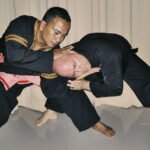
Benjang Gelut (wrestling)
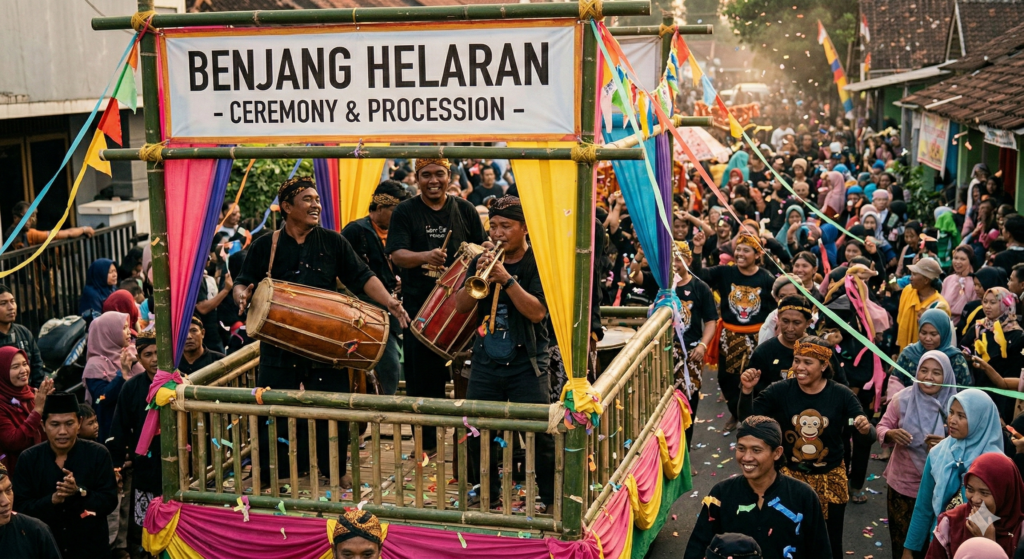
Benjang Helaran (processional performance, especially for circumcision ceremonies)
Benjang Topeng (masked theatrical performance)
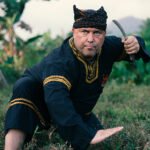
These forms shared musical structures, symbolic characters, and a belief that art, sport, and ritual were inseparable. Fighters entered the arena with ibing benjang, a dance-like movement that functioned as both artistic expression and psychological challenge, signaling readiness while aligning body and breath with the rhythm of the instruments.
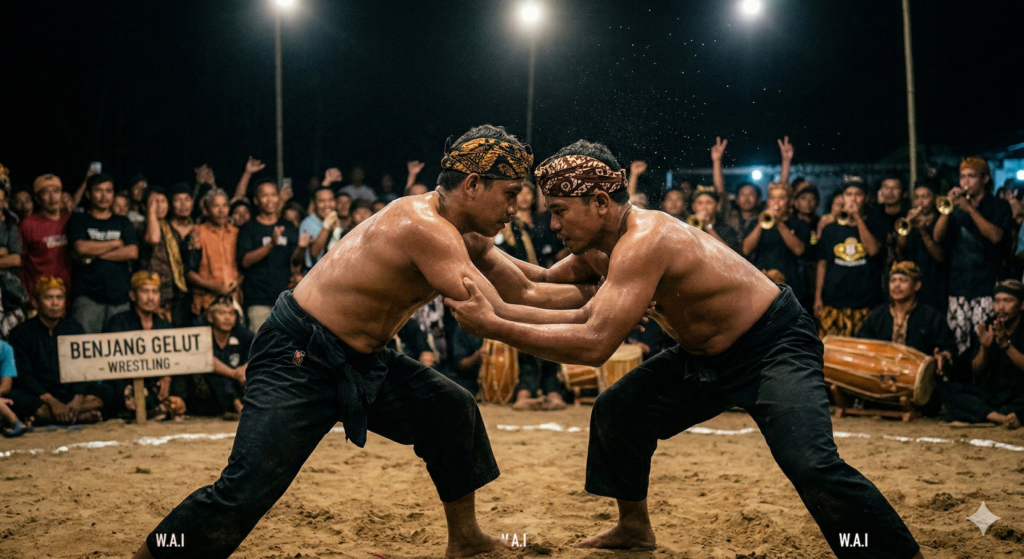
Benjang gelut
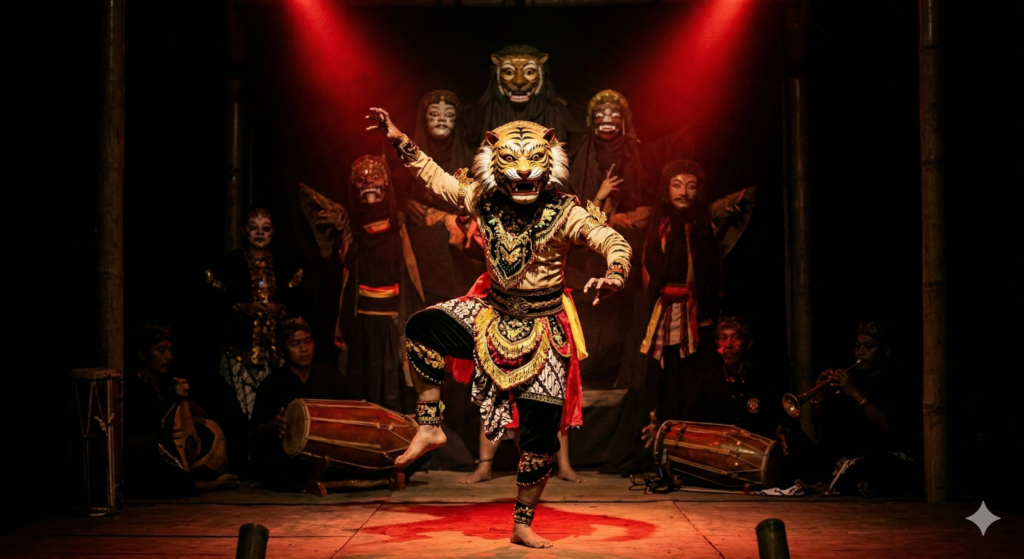
benjang topeng